
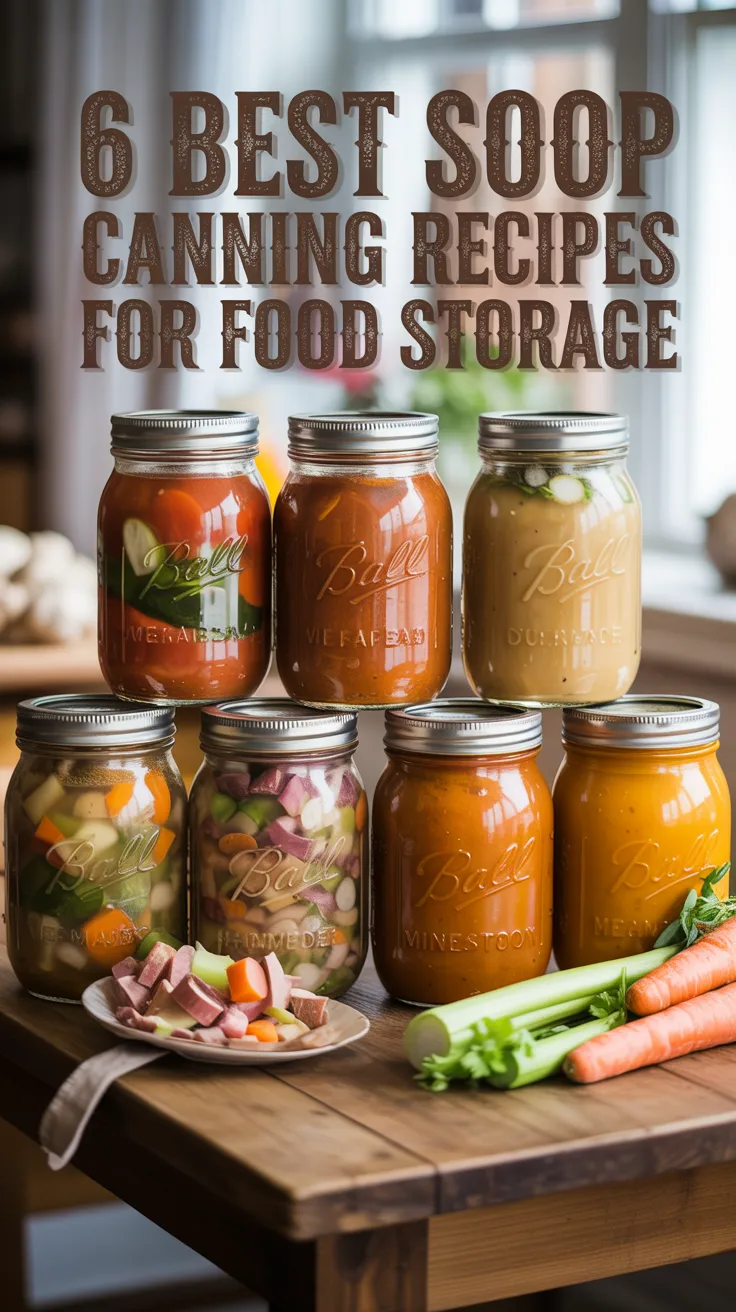
If you want a reliable, ready-to-eat stash that stretches dollars and cuts weeknight stress, pressure-canned soup belongs in your pantry. In this guide, you’ll learn the 6 best soup canning recipes for food storage, along with safe pressure canning basics, tested-friendly methods, and clean ingredient lists that keep quality high for the long haul.
Build out your shelf-stable menu even more with heritage pantry ideas in The Lost SuperFoods, and secure clean water for cooking and canning with Aqua Tower for off-grid resilience.
Table of Contents
Safe soup-canning fundamentals that protect flavor and shelf life
Home-canned soups are only as safe as the process behind them. Soups combine low-acid foods (meats, beans, corn, carrots, potatoes), so they must be pressure canned. A boiling-water bath can’t reach the high temperatures needed to reduce botulism risk in low-acid mixtures.
Key safety principles:
- Use a pressure canner, not a pressure cooker. A true pressure canner fits at least 4 quart jars upright and has an accurate dial gauge or weighted regulator.
- Follow tested-style methods. Don’t add thickeners (flour, cornstarch), dairy, cream, coconut milk, or purées before canning. If you want creamy soup, add milk or thickener after opening the jar to heat and serve.
- Avoid pasta, rice, barley, quinoa, and dumplings in jars. Grains absorb liquid, swell, and create unsafe densities. Add them when serving.
- Keep solids under about half the jar. Fill the remaining space with hot broth for safe heat penetration.
- Hot pack only. Start with simmering-hot ingredients and broth to maintain processing temperature consistency.
- Headspace matters. Leave 1 inch headspace for soups to account for expansion.
- Process long enough. For mixed-ingredient soups, a tested general benchmark is 60 minutes for pints and 75 minutes for quarts at appropriate pressure for your altitude. Verify pressure settings for your canner type and elevation.
- Adjust for altitude. Above 1,000 ft, increase pressure (weighted regulators) or PSI (dial-gauge). Consult your canner manual for exact adjustments.
- Debubble and wipe rims. Slide a nonmetal utensil around the jar, top with extra hot broth as needed, wipe rims with vinegar-damp cloth, apply lids fingertip-tight.
- Cool and store. After processing and natural pressure release, remove jars, cool 12–24 hours, check seals, wash, label, and store in a cool, dark place.
Tip: Keep a burn kit handy when working with hot jars and steam. A common-sense medical reference like Home Doctor can help you respond to kitchen mishaps with confidence.
Water note: Quality water improves soup flavor and clarity. If municipal or well water tastes off, consider a backup system like SmartWaterBox to keep your canning and cooking water consistently clean.
Chicken and vegetable soup with bright broth
This classic chicken-and-veg mix stands up beautifully to pressure canning. It’s light, versatile, and makes a perfect base for adding rice or noodles after opening.
What to know before you begin:
- Use boneless, skinless chicken (thighs or breasts), pre-cooked until just done. Dark meat stays tender.
- Cut vegetables into uniform, bite-size pieces for even heating.
- Keep it brothy. Plan solids to be about half the jar.
Ingredients (yields about 6–7 quarts or 12–14 pints):
- 3–4 lb boneless, skinless chicken, cooked and cubed or shredded
- 8 cups low-sodium chicken broth (plus more as needed)
- 4 cups carrots, peeled and diced
- 4 cups celery, diced
- 4 cups onions, diced
- 3 cups potatoes, peeled and 1/2-inch diced (optional; skip if storing beyond 12–18 months for best texture)
- 2 cups corn kernels (fresh or frozen, thawed)
- 3 cloves garlic, minced
- 2 tsp dried thyme
- 2 tsp dried parsley
- 2 tsp kosher salt (to taste; you can also salt when serving)
- 1 tsp black pepper
- 2 bay leaves (remove before filling jars)
Steps:
- Prep and precook: Gently simmer the chicken in broth until cooked through; remove and cube or shred. In the same pot, sauté onions, celery, carrots, and garlic in a splash of broth until just tender-crisp.
- Build the soup: Combine chicken, sautéed veg, potatoes (if using), corn, thyme, parsley, pepper, and salt. Add hot broth to create a soupy mixture—liquid should easily cover the solids.
- Heat through: Bring the pot to a steady simmer for 5–10 minutes. Remove bay leaves.
- Fill hot jars: Using a slotted spoon, add solids to hot, clean jars to about half full. Ladle in hot broth to 1 inch headspace. Debubble and adjust headspace with more hot broth as needed.
- Wipe rims, apply lids and rings fingertip-tight.
- Pressure can: Process pints 60 minutes, quarts 75 minutes at the correct pressure for your altitude and canner type.
- Cool, check seals, label, and store.
To serve: Open, heat, and add cooked noodles or rice, plus fresh parsley or a squeeze of lemon. For a creamy version, stir in cream or evaporated milk after opening and heating.
Hearty beef and potato soup with savory aromatics
This is a robust, stew-adjacent soup that holds its texture without thickeners. It’s ideal for cold nights and adds variety to your long-term pantry.
Safety notes:
- Brown beef first and drain fat for clean jars and better shelf stability.
- Skip flour, roux, or thickening agents; keep it brothy.
Ingredients (6–7 quarts or 12–14 pints):
- 3 lb beef chuck or round, trimmed and 1-inch cubes
- 10 cups beef broth (plus extra if needed)
- 4 cups onions, diced
- 4 cups carrots, diced
- 4 cups potatoes, 3/4-inch diced
- 2 cups celery, diced
- 2 cups tomatoes, peeled and chopped (or well-drained diced canned tomatoes)
- 4 cloves garlic, minced
- 2 tsp dried rosemary
- 2 tsp dried thyme
- 2 tsp kosher salt (to taste)
- 1 tsp black pepper
- 2 bay leaves (remove before filling jars)
Steps:
- Brown beef in batches in a heavy pot; drain off excess fat.
- Sauté onions, celery, and carrots in a bit of broth until aromatic. Add garlic and cook 1 minute.
- Combine beef, sautéed veg, potatoes, tomatoes, herbs, salt, and pepper. Pour in hot broth until ingredients are well-covered with plenty of liquid.
- Simmer 10 minutes to heat through. Remove bay leaves.
- Load hot jars half-full of solids, then top with hot broth to 1 inch headspace; debubble and adjust.
- Wipe rims, apply lids and rings.
- Pressure can pints 60 minutes, quarts 75 minutes at the proper pressure for your altitude.
- Cool, check seals, label, and store.
To serve: Add fresh herbs or a splash of Worcestershire while heating. If you want a thicker bowl, simmer the opened jar on the stovetop to reduce, or stir in a cornstarch slurry right before eating.
Tomato garden vegetable soup base
A bright, versatile tomato-forward base that fits countless meals. Acidic tomatoes help flavor and color, but because this includes low-acid ingredients, it still requires pressure canning. You can acidify with bottled lemon juice if desired for brightness, though it’s not required for pressure canning mixed soups.
Ingredients (6–7 quarts or 12–14 pints):
- 12 cups tomatoes, peeled and chopped (or use crushed tomatoes)
- 6 cups low-sodium vegetable or chicken broth
- 3 cups onions, diced
- 3 cups carrots, diced
- 3 cups celery, diced
- 3 cups zucchini or yellow squash, diced
- 2 cups bell peppers, diced
- 2 cups corn kernels
- 2 cups fully cooked green beans, cut in 1-inch pieces
- 4 cloves garlic, minced
- 2 tsp dried basil
- 2 tsp dried oregano
- 2 tsp kosher salt (to taste)
- 1 tsp black pepper
- Optional: 2–4 tbsp bottled lemon juice for brightness (divide among jars when filling)
Steps:
- Sweat onions, carrots, celery, peppers, and garlic in a large pot with a little broth until just tender.
- Add tomatoes, zucchini, corn, green beans, herbs, salt, and pepper. Add broth to create a pourable, soupy consistency.
- Simmer 10–15 minutes to heat through and meld flavors.
- Fill hot jars: Optional—add 1–2 tsp bottled lemon juice per pint (2–4 tsp per quart) to jars. Divide solids to about half the jar, then top with hot liquid to 1 inch headspace; debubble.
- Wipe rims, apply lids and rings fingertip-tight.
- Pressure can pints 60 minutes, quarts 75 minutes at your altitude-adjusted pressure.
- Cool, check seals, label, store.
To serve: It’s fantastic as-is or with cooked pasta added after opening. For a minestrone vibe, stir in beans when heating; for a creamier bisque, blend and add cream after opening.
Mid-pantry boost: If water security is a concern where you live, a compact backup like Joseph’s Well can help ensure you’ve always got clean water on hand for canning days and soups alike.
Ham and bean soup with smoky depth
Bean soups can be safely pressure canned when beans are fully rehydrated and the soup remains brothy. This version delivers savory, smoky comfort with pantry-smart ingredients.
Safety notes:
- Fully soak and parboil beans until tender but not falling apart. Drained, cooked beans pack and reheat more reliably than raw-soaked.
- Keep jars no more than half solids; top generously with broth.
Ingredients (6–7 quarts or 12–14 pints):
- 2 lb dry navy beans or great northern beans
- 1.5–2 lb ham (leftover ham, smoked shank, or diced ham steaks), trimmed and diced
- 10–12 cups low-sodium chicken or ham broth
- 3 cups onions, diced
- 2 cups carrots, diced
- 2 cups celery, diced
- 3 cloves garlic, minced
- 2 bay leaves (remove before filling)
- 1 tsp dried thyme
- 1 tsp smoked paprika (optional)
- 1–2 tsp kosher salt (to taste; ham may be salty)
- 1 tsp black pepper
Steps:
- Soak beans overnight. Drain. Cover with fresh water, bring to a boil, and simmer 30–45 minutes until tender but intact. Drain.
- In a large pot, sauté onions, carrots, and celery in a splash of broth until aromatic. Add garlic; cook 1 minute.
- Add cooked beans, ham, spices, and enough hot broth to keep the mixture soupy. Simmer 10 minutes to heat through. Remove bay leaves.
- Fill hot jars halfway with solids, then top with hot broth to 1 inch headspace; debubble and adjust.
- Wipe rims, apply lids and rings.
- Pressure can pints 60 minutes, quarts 75 minutes at the right pressure for your altitude and canner type.
- Cool, check seals, label, store.
To serve: Open and heat with a splash of vinegar or mustard for brightness, or add chopped greens while warming. If you prefer a thicker texture, mash some beans after opening and simmer briefly.
Southwest chicken and corn soup with lime and cumin
Bright, zesty, and meal-prep ready, this soup keeps great texture without dairy or thickeners. It’s a flexible base—add cooked rice or tortilla strips after opening.
Ingredients (6–7 quarts or 12–14 pints):
- 3 lb boneless, skinless chicken thighs, cooked and shredded
- 10 cups low-sodium chicken broth
- 3 cups onions, diced
- 3 cups bell peppers (mix of colors), diced
- 2 cups celery, diced
- 3 cups corn kernels
- 2 cups tomatoes, chopped
- 3 cloves garlic, minced
- 2 tsp ground cumin
- 1 tsp ground coriander
- 1–2 tsp kosher salt (to taste)
- 1 tsp black pepper
- Optional: 2–4 tbsp bottled lime juice added to jars for a tangy finish
Steps:
- Sauté onions, celery, peppers, and garlic in a little broth until just tender.
- Add tomatoes, corn, cumin, coriander, salt, and pepper. Stir in chicken and enough broth to make a brothy soup.
- Simmer 10 minutes to heat through.
- Fill hot jars with solids to about half, add optional bottled lime juice (1–2 tsp per pint, 2–4 tsp per quart), then top with hot broth to 1 inch headspace; debubble.
- Wipe rims, apply lids and rings.
- Pressure can pints 60 minutes, quarts 75 minutes with altitude-appropriate pressure.
- Cool, check seals, label, store.
To serve: Garnish with fresh cilantro, lime wedges, and avocado. Stir in cooked rice or tortilla strips after opening. For creamy texture, add a spoon of sour cream or crema right before serving.
Minestrone-style bean and veggie soup without pasta
All the comfort of minestrone—minus the pasta, which you’ll add when you open the jar. This one tastes like a farmer’s market in a bowl.
Ingredients (6–7 quarts or 12–14 pints):
- 2 cups dry cannellini or kidney beans, soaked overnight and cooked until tender; drain
- 8–10 cups low-sodium vegetable or chicken broth
- 3 cups onions, diced
- 3 cups carrots, diced
- 3 cups celery, diced
- 3 cups zucchini, diced
- 2 cups green beans, cut in 1-inch pieces (briefly pre-cook until crisp-tender)
- 3 cups tomatoes, peeled and chopped (or crushed)
- 3 cloves garlic, minced
- 2 tsp dried Italian seasoning (or 1 tsp oregano + 1 tsp basil)
- 1–2 tsp kosher salt (to taste)
- 1 tsp black pepper
- Optional: 1–2 cups cabbage, shredded (softens nicely during canning)
Steps:
- Sauté onions, carrots, celery, and garlic in a splash of broth. Add zucchini, green beans, tomatoes, beans, seasonings, and salt/pepper.
- Stir in broth to maintain a pourable soup consistency; simmer 10 minutes to heat through.
- Fill hot jars with solids to about half, then top with hot broth to 1 inch headspace; debubble and adjust.
- Wipe rims, apply lids and rings.
- Pressure can pints 60 minutes, quarts 75 minutes at correct pressure for your elevation and canner style.
- Cool, check seals, label, and store.
To serve: Add cooked small pasta (ditalini or shells), a drizzle of olive oil, and grated Parmesan after opening. For deeper flavor, simmer with a parmesan rind while heating (discard rind before serving).
Preparedness note: If you’re building a resilient pantry and skills beyond canning, a practical urban-focused guide like URBAN Survival Code can help you plan communications, water access, and quick decision-making for city life disruptions.
Potato and leek soup base (no dairy, no purée)
Creamy-style potato soups can’t be safely canned once puréed or with dairy. This base keeps chunks intact and a clean broth, so you can blend and enrich after opening.
Ingredients (6–7 quarts or 12–14 pints):
- 8–10 cups low-sodium chicken or vegetable broth
- 3 lb potatoes, peeled and 1/2–3/4-inch diced
- 4 cups leeks, white and light green parts only, cleaned and sliced
- 2 cups onions, diced
- 2 cups celery, diced
- 3 cloves garlic, minced
- 2 tsp dried thyme
- 1–2 tsp kosher salt (to taste)
- 1 tsp black pepper
- Optional: 1–2 cups diced carrots for color
Steps:
- Sauté leeks, onions, celery, and garlic in a little broth until soft and fragrant.
- Add potatoes, thyme, salt, and pepper. Pour in enough hot broth to keep it very brothy.
- Simmer 8–10 minutes to heat through (don’t fully cook potatoes; they’ll finish during canning).
- Fill hot jars with solids to about half, then top with hot broth to 1 inch headspace; debubble.
- Wipe rims, apply lids and rings.
- Pressure can pints 60 minutes, quarts 75 minutes, adjusting for altitude.
- Cool, check seals, label, store.
To serve: Open and gently heat. Blend partially for body or fully for a smooth soup, then add cream, milk, or crème fraîche at the end. Finish with chives and black pepper.
Storage, serving, and rotation tips that make your jars last
- Label smartly: Include soup type, date, and any notes like “add cream” or “add noodles when serving.”
- Rotate regularly: Use the oldest jars first. Most pressure-canned soups keep quality 12–18 months in a cool, dark place. Many remain safe longer if sealed and stored properly, but flavors and textures slowly fade.
- Inspect before opening: Look for unsealed lids, bulging, leaking, or off odors. When in doubt, throw it out.
- Refresh and customize: When heating, brighten with lemon or vinegar, layer in fresh herbs, or finish with a pat of butter or olive oil. Add starches (cooked rice, pasta), dairy, or thickeners only after opening.
- Plan meals: A quart typically serves 2–3 as a main course with bread or salad. Pints make perfect quick lunches.
Recommended resources to go further:
- Build a deeper pantry with time-tested recipes in The Lost SuperFoods.
- Safeguard clean water for cooking and canning with Aqua Tower or the compact SmartWaterBox.
- Keep a practical medical guide on the shelf: Home Doctor.
Conclusion
With these 6 best soup canning recipes for food storage, you can fill shelves with meals that are safe, delicious, and fast to serve. Stick to pressure-canning fundamentals—no thickeners or dairy in jars, plenty of broth, correct headspace, and altitude-aware processing times—and you’ll build a pantry that supports both everyday convenience and long-term resilience. When it’s time to eat, pop a seal, heat, and customize with fresh add-ins for variety all year long.
FAQ
Can I can creamy soups or pureed soups?
No. Skip dairy and thickeners in jars. Pressure can a brothy base, then after opening, add cream, cheese, or a cornstarch slurry and blend to your preferred texture.What pressure and time should I use for soup canning?
A tested general benchmark for mixed-ingredient soups is 60 minutes for pints and 75 minutes for quarts in a pressure canner, with PSI/weight adjusted for altitude and canner type. Always follow your canner manual.Can I add pasta, rice, or barley to the soups before canning?
No. Starches like pasta, rice, barley, and dumplings absorb liquid, swell, and can affect heat penetration. Add them after you open and heat the soup.How long do home-canned soups last on the shelf?
For best quality, use within 12–18 months stored in a cool, dark place. They may remain safe longer if properly sealed and stored, but flavor and texture gradually decline.Are potatoes safe in canned soup?
Yes, when kept in chunks within a brothy soup and pressure canned correctly. Avoid purées and thickened potato soups; add cream or thickeners after opening.