
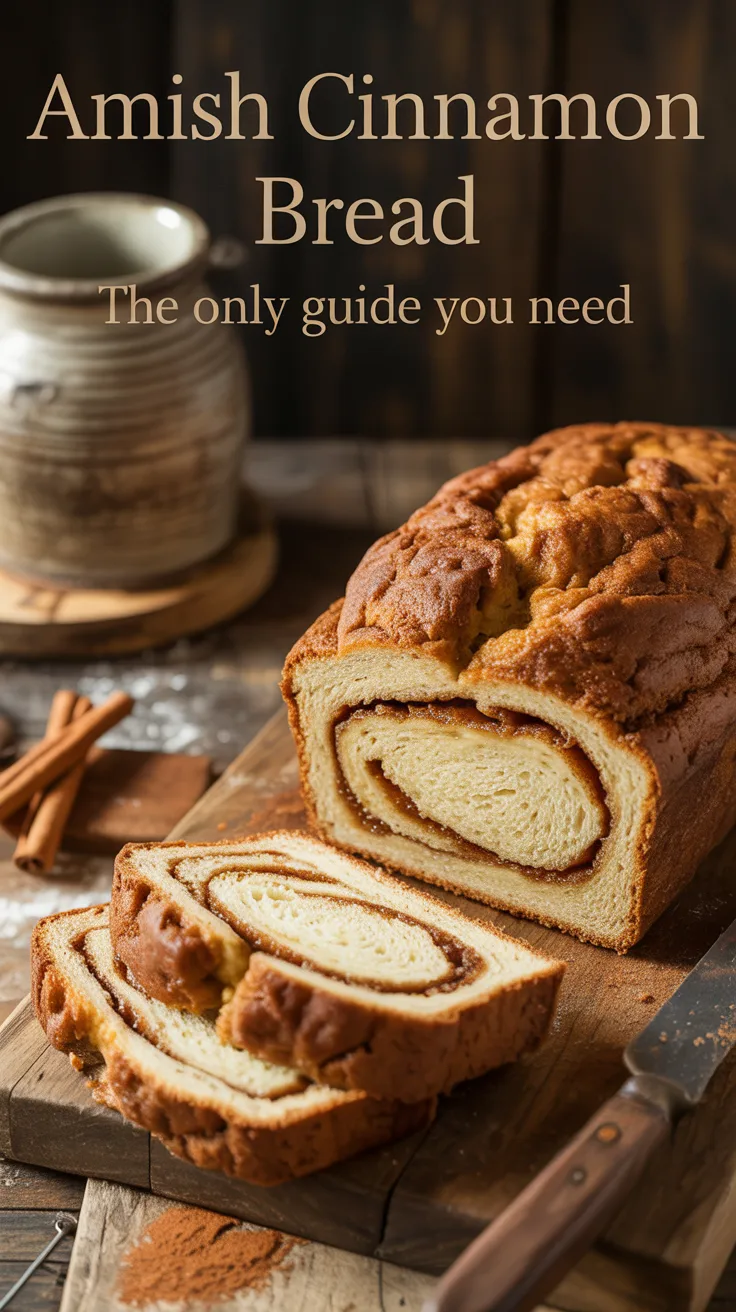
Few bakes feel as comforting as a warm slice of Amish Cinnamon Bread. Fragrant with cinnamon sugar and tender with a delicate crumb, this classic is famous in two beloved forms: the traditional “friendship bread” made with a sweet starter passed from friend to friend, and an easier no-starter quick bread for when you want cinnamon-swirl comfort on demand. Below you’ll find complete, test-kitchen style guidance for both versions, plus smart swaps, mix-ins, troubleshooting, and storage tips to keep every loaf soft, tall, and beautifully marbled.
Table of Contents
Why Amish Cinnamon Bread Has Endured
Old-fashioned recipes stick around when they deliver consistency and connection. Amish Cinnamon Bread does both. The friendship-bread version uses a living, sweetened starter—cousin to a sourdough but milder—shared among neighbors in a chain of baking goodwill. It turns everyday ingredients into an exceptionally moist, tender crumb with a characteristic cinnamon sugar swirl and a crackly, caramelized top.
If you don’t keep a starter, the no-starter loaf offers the same spirit with weeknight ease. Buttermilk (or sour cream) supplies tang and tenderness, oil or melted butter ensures moisture, and a balanced mix of baking powder and baking soda gives reliable lift. The result is a quick bread that bakes up tall with a fine, plush crumb and that unmistakable cinnamon-sugar halo.
There are two keys that define the best versions:
- A generous cinnamon sugar layer and swirl, which lightly caramelizes along the edges and forms a faint crunch on top.
- A batter that’s rich but balanced, so the loaf domes rather than collapses and remains moist for days.
This guide walks you through both methods, explains how to substitute ingredients without compromising texture, and shows you how to customize the loaf—think crumb topping, apple bits, or a pumpkin variation—while keeping that signature Amish-bread personality. You’ll also learn how to freeze slices, ship a loaf, and troubleshoot common issues like a gummy center or a sunken top. Whether you’re nurturing a starter or opening the pantry after dinner, you’ll be able to pull off a bakery-worthy Amish Cinnamon Bread with predictable results.
Ingredient Guide and Smart Substitutions
Great quick breads are built on balance. Here’s how each component works and where you can safely substitute.
Flour
- Use all-purpose flour for the most reliable crumb.
- For a slightly heartier texture, sub up to 25% of the flour with white whole wheat flour.
- Gluten-free: use a 1:1 gluten-free baking blend with xanthan gum and expect a slightly denser crumb. Reduce liquid by 1–2 tablespoons if the batter seems loose.
Sugar
- Granulated sugar sweetens and contributes to structure.
- Light brown sugar can replace up to half of the granulated sugar for a moister loaf and deeper flavor.
- Coconut sugar works but lends a more molasses-like profile and slightly darker crumb.
Fat
- Oil makes the loaf extra moist and keeps well at room temperature (neutral oils like canola, grapeseed, or light olive oil).
- Melted butter adds flavor but yields a slightly firmer crumb as it cools.
- Dairy-free: use neutral oil or plant-based butter.
Dairy and Acidity
- Buttermilk adds tang and reacts with baking soda for lift. No buttermilk? Use 1 cup milk with 1 tablespoon lemon juice or vinegar; rest 5 minutes to thicken.
- Sour cream or full-fat Greek yogurt can replace part or all of the buttermilk; thin with a splash of milk to match a pourable consistency.
- In the starter-based recipe, the starter provides acidity; you’ll add less or no additional acidic dairy.
Leavening
- Baking powder offers steady lift; baking soda reacts with acidity for tenderness and browning.
- Old leavening is a top cause of dense bread. Test baking powder by adding to hot water (should bubble immediately) and baking soda by adding to vinegar (vigorous fizz).
Eggs
- Eggs bind, leaven, and tenderize. Large eggs are standard.
- Egg-free: use 1/4 cup unsweetened applesauce or a flax “egg” (1 tablespoon ground flax + 3 tablespoons water) per egg, knowing the loaf will be slightly denser.
Cinnamon and Flavor
- Use fresh ground cinnamon for a vibrant swirl.
- Vanilla rounds out the sweetness; almond extract is a fun accent (use sparingly—1/4 to 1/2 teaspoon).
Salt
- Don’t skip it; salt sharpens flavor and balances sweetness.
Add-ins
- Nuts (pecans, walnuts), diced apples, mini chocolate chips, or raisins are classic. Toss add-ins with a spoonful of flour to help suspend them in the batter.
Pan Choices
- Standard 9×5-inch loaf pan yields a slightly shorter, broader loaf.
- 8.5×4.5-inch pan bakes taller; reduce batter by a few tablespoons if it’s filled more than two-thirds.
- For muffins, bake at 350°F, 18–22 minutes.
Traditional Amish Friendship Bread with Starter
If you’ve been gifted a bag of sweet starter, you’re already halfway there. This version produces a classic, tender loaf with balanced sweetness and a rich cinnamon ribbon.
About the Starter
- This is a sweet, pourable starter refreshed over 10 days with flour, milk, and sugar. It’s milder than sourdough.
- Active starter looks bubbly and smells sweet-tangy. If it’s overly sour or separated, feed it and wait until it becomes lively again.
Ingredients (makes 2 loaves)
Cinnamon Sugar
- 2/3 cup granulated sugar
- 1.5 tablespoons ground cinnamon
Batter
- 2 cups active Amish friendship bread starter (well-stirred)
- 3 large eggs
- 1 cup neutral oil (or 1/2 cup oil + 1/2 cup melted butter)
- 1 cup sugar
- 1 teaspoon vanilla extract
- 1.5 teaspoons baking powder
- 1/2 teaspoon baking soda
- 1 teaspoon fine salt
- 2 cups all-purpose flour
Steps
- Prep. Heat oven to 325°F (165°C). Grease two loaf pans (8.5×4.5 or 9×5) and line with a parchment sling. Mix cinnamon sugar in a small bowl.
- Whisk the wet. In a large bowl, whisk starter, eggs, oil, sugar, and vanilla until smooth and glossy.
- Add dry ingredients. Sprinkle in baking powder, baking soda, salt, and flour. Mix just until combined; the batter should be pourable and slightly thick. Avoid overmixing to prevent tunneling and a tough crumb.
- Layer and swirl. Divide 1/4 of the batter among the pans. Sprinkle a generous layer of cinnamon sugar (about 2–3 tablespoons per pan). Repeat batter and cinnamon sugar layers, finishing with batter. Use a butter knife to make 3–4 gentle S-shaped swirls.
- Bake. Sprinkle tops with remaining cinnamon sugar. Bake 45–60 minutes, rotating pans halfway. Loaves are done when a toothpick comes out with a few moist crumbs; the sides will pull slightly from the pan and the top will be set with faint cracks.
- Cool. Rest in the pan 10–15 minutes, then transfer to a rack. Cool fully before slicing to set the crumb.
Maintaining and Sharing Starter (Quick Overview)
- Day 1: Feed starter (1 cup flour, 1 cup sugar, 1 cup milk). Leave loosely covered at room temperature.
- Days 2–4: Stir daily.
- Day 5: Feed again (same amounts).
- Days 6–9: Stir daily.
- Day 10: Feed, then divide into 1-cup portions. Bake with one portion and gift or refrigerate/freeze others.
- To pause starter, refrigerate up to 1 week or freeze up to 3 months. Thaw and feed before use.
Pro Tips
- Use active starter within 4–12 hours of feeding for the best rise.
- If the batter seems too thin (starters vary), whisk in 2–3 tablespoons flour.
- Don’t skimp on the cinnamon sugar—it defines the bread’s aroma and crust.
Easy No-Starter Amish Cinnamon Bread Recipe
When you want Amish Cinnamon Bread without planning around a starter, this quick loaf delivers the same cozy swirl and tender crumb. Buttermilk or sour cream provides tang and moisture, while a mix of baking powder and soda guarantees lift.
Ingredients (makes 2 loaves or 1 loaf + 10–12 muffins)
Cinnamon Sugar
- 2/3 cup granulated sugar
- 1.5 tablespoons ground cinnamon
Batter
- 3 cups all-purpose flour (spooned and leveled)
- 1 cup granulated sugar
- 1/2 cup light brown sugar, packed
- 1 tablespoon baking powder
- 1/2 teaspoon baking soda
- 1 teaspoon fine salt
- 2 teaspoons ground cinnamon (for the batter)
- 3 large eggs, room temperature
- 1 cup buttermilk (or 1 cup milk + 1 tablespoon lemon juice, rested 5 minutes)
- 1/2 cup sour cream or full-fat Greek yogurt
- 3/4 cup neutral oil (or 3/4 cup melted butter, slightly cooled)
- 2 teaspoons vanilla extract
Steps
- Prep. Heat oven to 350°F (175°C). Grease and line two 8.5×4.5-inch loaf pans, or one loaf pan and a 12-cup muffin tin.
- Mix dry ingredients. In a large bowl, whisk flour, granulated sugar, brown sugar, baking powder, baking soda, salt, and cinnamon until evenly combined.
- Mix wet ingredients. In a separate bowl, whisk eggs, buttermilk, sour cream, oil, and vanilla until smooth.
- Combine. Pour wet into dry and fold with a spatula until just combined and no dry streaks remain. Batter should be thick but scoopable.
- Layer and swirl. Spoon a thin layer of batter into the pans. Sprinkle a heavy layer of cinnamon sugar. Add another layer of batter and repeat. Swirl gently with a knife for 2–3 figure-eights per pan.
- Bake. Bake 45–55 minutes (muffins 18–22 minutes). Loaves are done when the tops are domed and a tester comes out with moist crumbs.
- Cool. Rest in the pan 10 minutes, then transfer to a rack. Cool completely before slicing.
Why This Works
- Buttermilk + sour cream create acidity for tenderness and flavor, like the starter does in friendship bread.
- Oil keeps the crumb plush for days; butter adds richer flavor—use half and half to get both benefits.
- Two leaveners ensure a nice dome without a soapy taste.
Variations, Toppings, and Mix-Ins
Amish Cinnamon Bread is a perfect canvas. Use these ideas to customize without compromising structure.
Crumb and Streusel
- Classic streusel: 1/2 cup flour, 1/2 cup brown sugar, 1 teaspoon cinnamon, 1/4 cup cold butter cut in. Sprinkle over batter before baking for a bakery-style top.
- Cinnamon roll glaze: Whisk 1 cup powdered sugar with 1–2 tablespoons milk and 1/2 teaspoon vanilla; drizzle over cooled loaves.
Fruity Twists
- Apple-cinnamon: Fold 1–1.5 cups peeled, finely diced apple (tossed in 1 tablespoon flour) into the batter. Add a pinch of nutmeg.
- Blueberry cinnamon: 1 cup blueberries, lightly floured. Reduce cinnamon in the batter by half so the fruit shines.
Nutty and Chocolate Options
- Toasted pecans or walnuts: 3/4–1 cup for crunch and depth.
- Mini chocolate chips: 3/4 cup for a fun snack-cake vibe; keep the cinnamon sugar layer slightly lighter.
Seasonal Swaps
- Pumpkin cinnamon bread: Replace sour cream with 1 cup pumpkin puree and reduce buttermilk by 1/4 cup. Add 1 teaspoon pumpkin pie spice and reduce cinnamon in the batter to 1 teaspoon.
- Maple glaze: 1 cup powdered sugar + 2–3 tablespoons real maple syrup + pinch of salt.
Shape Shifts
- Muffins: Bake at 350°F for 18–22 minutes. Sprinkle each with 1 teaspoon cinnamon sugar before baking.
- Bundt: Grease well and dust with cinnamon sugar. Bake 50–65 minutes; cool 15 minutes before unmolding.
Dietary Tweaks
- Dairy-free: Use plant milk acidified with lemon juice, plant-based yogurt, and oil or dairy-free butter.
- Gluten-free: Use a quality 1:1 GF mix; add 2–3 tablespoons extra batter to the pan if it sits slightly thicker.
Flavor Enhancers
- Add 1/4 teaspoon almond extract for a hint of bakery-shop finesse.
- Brown the butter (if using butter) for a nutty aroma—cool to room temp before mixing.
Baking Science, Pan Sizes, and Troubleshooting
Understanding the “why” helps you dial in perfect results every time.
Batter Texture
- Quick bread batter should be thick and scoopable—like a heavy muffin batter. If it pours like pancake batter, add 2–3 tablespoons flour. If it’s overly stiff, add 1–2 tablespoons milk.
Pan Considerations
- Dark metal pans run hotter and brown faster; check for doneness 5 minutes early.
- Glass pans bake more slowly; add 5–10 minutes and watch the center for set.
- Fill pans no more than two-thirds full to avoid overflow and ensure a nice dome.
Oven Realities
- Calibrate your oven or use an oven thermometer. Many home ovens run 15–25°F off.
- Bake on the center rack; stacking pans close together can block airflow and cause uneven rise.
Doneness Cues
- Visual: A split ridge along the top that looks dry and set; edges pull slightly from the pan.
- Touch: The top springs back lightly.
- Tester: A toothpick should come out with a few moist crumbs—no wet batter.
Common Issues
- Sinking in the middle: Often underbaked center, expired leaveners, overmixing, or overfilling the pan. Bake until the center hits 200–205°F if using an instant-read thermometer.
- Gummy or dense crumb: Too much liquid, underbaking, or cutting too soon. Cool completely; starches need time to set.
- Bitter or soapy taste: Too much baking soda or not enough acidity. Stick to the recipe’s balances.
- Tunnels or holes: Overmixing develops gluten and traps steam. Fold gently and stop when the flour disappears.
- Dry loaf: Overbaked or insufficient fat. Next time, pull at moist crumbs and consider oil or a butter/oil blend.
High-Altitude Adjustments (3,500+ feet)
- Increase oven temp by 15–25°F.
- Reduce baking powder by 1/8–1/4 teaspoon per teaspoon used; add 1–2 tablespoons additional liquid.
- Check 5–10 minutes early.
Swirl Technique Tips
- Layer batter and cinnamon sugar more than you swirl. Too much swirling blends the cinnamon sugar into the batter and dulls the ribbon.
- Use a clean, thin knife and make only 2–4 passes.
Storage, Freezing, Gifting, and Make-Ahead
One of the joys of Amish Cinnamon Bread is how well it keeps and how beautifully it gifts.
Room-Temperature Storage
- Cool completely, then wrap tightly in plastic wrap or place in a zip-top bag. Keeps 3–4 days at cool room temp.
- For a light crust, store in parchment-lined paper bags; it will dry out a bit faster but retain the gentle crunch on top.
Refrigeration and Freezing
- Refrigeration can dry quick breads unless wrapped very well. If your kitchen is warm, chill tightly wrapped and bring to room temp before serving.
- Freeze whole loaves: Wrap in plastic and then foil, or vacuum-seal. Keeps 2–3 months.
- Freeze slices: Place slices on a sheet pan to freeze, then bag; great for single-serve breakfasts. Toast from frozen or microwave 15–25 seconds.
Reviving and Serving
- To refresh a day-old loaf, warm slices in a 300°F oven for 5–8 minutes or toast lightly; the cinnamon sugar will become fragrant and the crumb plush again.
- Add butter, honey butter, or a cream cheese spread with a dash of cinnamon.
Gifting Ideas
- Bake in paper loaf pans for easy wrapping.
- Tie with baker’s twine and include a cinnamon sugar packet and a printed note with reheating tips.
- For friendship bread, attach 1 cup of starter in a jar with day-by-day feeding instructions.
Make-Ahead Strategy
- Mix cinnamon sugar and measure dry ingredients in advance; label and store airtight.
- For the no-starter recipe, you can mix the batter and refrigerate up to 6 hours; bring to room temp, stir once, and bake. Expect slightly less rise.
Nutrition, Serving Ideas, and Pairings
While exact nutrition varies based on ingredients and add-ins, Amish Cinnamon Bread is a treat-style quick bread—sweet like coffee cake, best sliced thick. For mindful portions, cut the loaf into 10–12 slices rather than 8, especially if you’ve added streusel or glaze.
Serving Ideas
- Breakfast: Warm slice with salted butter and fresh berries.
- Brunch: Pair with eggs and a fruit salad; the cinnamon plays nicely with citrus.
- Dessert: Lightly toast and top with vanilla ice cream or a dollop of whipped cream.
- Coffee/Tea Pairings: Medium-roast coffee, chai, or an English breakfast tea emphasizes the spice notes.
Texture Notes
- Friendship bread tends to be slightly airier with a delicate tang from the starter.
- The no-starter loaf is plush and cake-like, with dependable crumbs and a pronounced cinnamon sugar crust.
Scaling Up
- For double batches, weigh ingredients for consistency.
- Stagger oven placement; avoid touching pans to ensure even heat circulation.
Bringing It All Together
Whether you choose the tradition-rich friendship loaf or the speedy no-starter version, Amish Cinnamon Bread delivers cozy, cinnamon-sugar comfort with a tender crumb and beautiful swirl. Master the batter texture, layer generously with cinnamon sugar, and bake until just set for slices that stay soft for days. With these tips, you’ll have Amish Cinnamon Bread ready for breakfast, gifting, or anytime you want the scent of warm cinnamon in your kitchen.
FAQ
What is the difference between Amish Cinnamon Bread and regular cinnamon swirl bread?
Amish Cinnamon Bread is typically a sweet quick bread with a pronounced cinnamon sugar ribbon. The friendship version uses a sweet starter for gentle tang and tenderness; the no-starter version uses buttermilk or sour cream for similar moisture and lift. Many “regular” cinnamon swirl loaves are yeast breads, which are lighter and more bread-like, whereas Amish Cinnamon Bread is cake-like.Can I make Amish Cinnamon Bread without a starter?
Yes. The no-starter recipe here uses buttermilk (or a quick buttermilk substitute) and sour cream for moisture and acidity, plus baking powder and soda for lift. It bakes up with the same cinnamon swirl and a tender crumb.Why did my Amish Cinnamon Bread sink in the middle?
Common causes are underbaking, expired leaveners, overmixing, or overfilling the pan. Bake until a tester shows moist crumbs (not wet batter), use fresh baking powder/soda, fold gently, and fill pans no more than two-thirds full.How do I store and freeze Amish Cinnamon Bread?
Cool completely. Wrap tightly and keep at room temperature for 3–4 days. For longer storage, freeze whole loaves or slices for 2–3 months. Rewarm in a 300°F oven or toast lightly to refresh the crumb and bloom the cinnamon aroma.What are easy add-ins for Amish Cinnamon Bread?
Try finely diced apples, toasted pecans or walnuts, raisins, or mini chocolate chips. Toss add-ins with a little flour to help suspend them in the batter, and avoid overmixing to maintain a tender crumb.Can I use a 1:1 gluten-free flour blend?
Yes. Use a quality 1:1 gluten-free baking mix (with xanthan gum) and be prepared for a slightly denser crumb. You may need to reduce liquid by a tablespoon or two if the batter looks loose.How do I keep the cinnamon swirl from sinking?
Layer the batter with the cinnamon sugar rather than placing it all in one thick stripe. Make only a few gentle swirls; over-swirling blends the sugar into the batter and can drag it down.Does the friendship bread starter have to be 10 days old?
Use starter that is active and bubbly. Many bakers follow a 10-day cycle, but what matters most is recent feeding and signs of activity. If sluggish, feed and wait until lively before baking.